
Creating a self-sustaining environment for your pets is one of the most rewarding aspects of modern herpetology. By setting up a bioactive terrarium for amphibians, you are not just building a cage but establishing a living, breathing ecosystem where biological processes manage waste and support life. This method mirrors the complexity found in nature, ensuring that your inhabitants thrive in a low-stress, high-enrichment environment.
Understanding the concept of bioactive ecosystems
A bioactive terrarium is a miniature biome that utilizes biological cycles to maintain cleanliness and health. In these naturalistic amphibian habitats, microorganisms and beneficial insects for terrariums break down organic matter like decaying leaves and animal waste into nutrients. This process provides food for plants, which in turn oxygenate the air and provide cover for the animals. Unlike traditional setups, a bioactive enclosure requires far less frequent deep cleaning because the ecosystem handles the waste management itself.
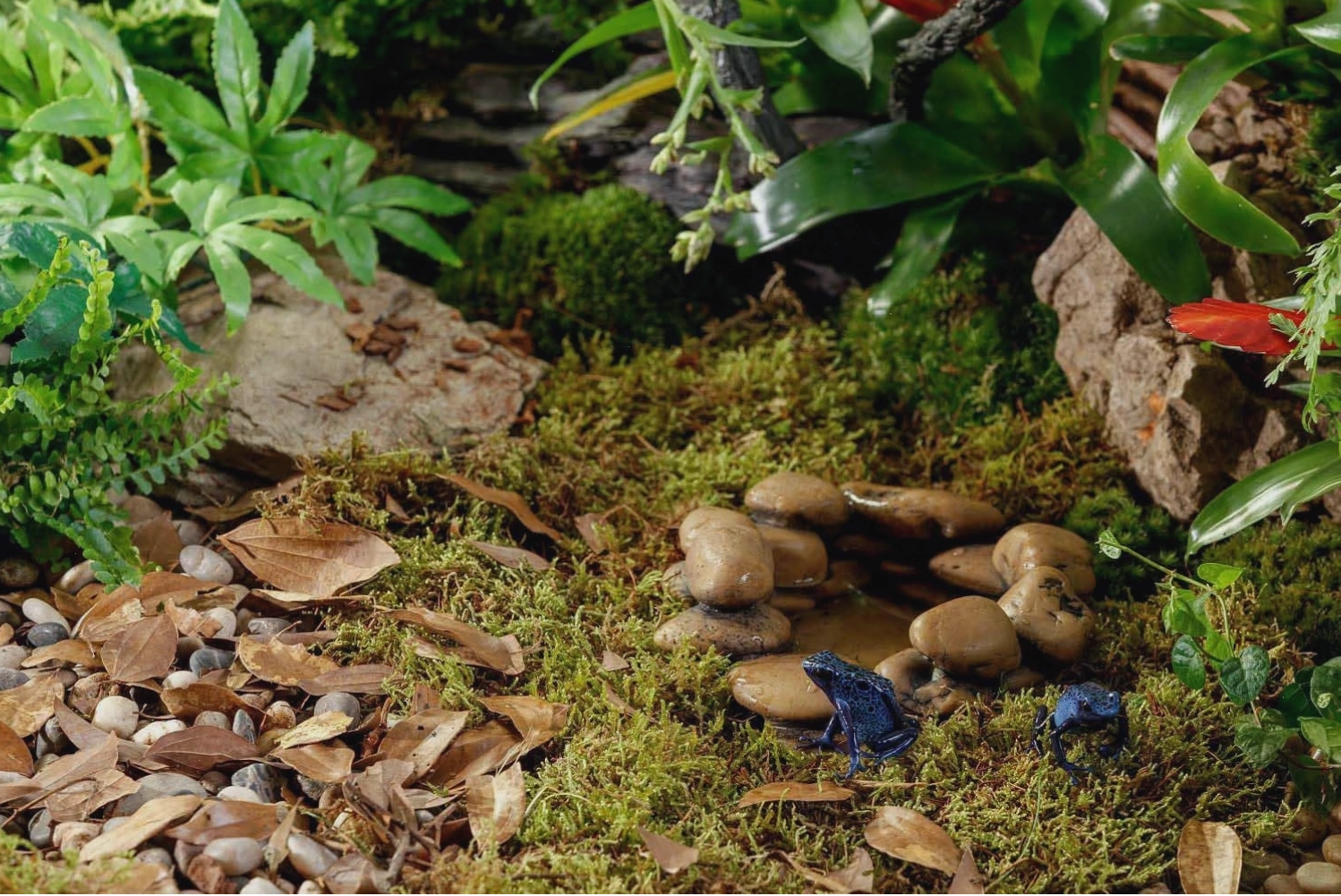
Detailed comparison of common terrarium substrates
Choosing the right foundation is critical for moisture retention and plant health. Below is a comparison of common materials used in modern setups:
| Material Name | Primary Function | Best For |
|---|---|---|
| Plantation Soil | Provides a nutrient-rich base for tropical plants | High humidity tropical species |
| Coconut Husk | Enhances aeration and prevents soil compaction | Burrowing amphibians |
| Forest Moss | Retains surface moisture and increases humidity | Dart frogs and tree frogs |
| BioDrain Mesh | Separates the substrate from the water layer | Preventing root rot and stagnant soil |
Step by step process to build your own ecosystem
Establishing the structure of your enclosure requires a methodical approach to ensure long-term stability. Follow these essential steps to get started:
- Choose the correct enclosure: Select a glass terrarium that matches the spatial needs of your species, ensuring there is enough vertical space for climbers or horizontal space for foragers.
- Install the drainage layer: Add a bottom layer of clay balls or drainage substrate. Use a mesh divider to keep the soil from falling into the water reservoir at the bottom.
- Mix the substrate: Combine organic matter such as coconut husk, soil, and moss. This mixture must support plant growth while remaining airy enough for beneficial insects for terrariums to move through.
- Add hardscape elements: Place rocks and forest branches to create hiding spots and climbing structures. These provide the necessary enrichment for your animals to display natural behaviors.
- Planting the softscape: Use live plants for reptile tanks that thrive in high humidity. These contribute to the oxygen cycle and provide the natural cover that amphibians require to feel secure.
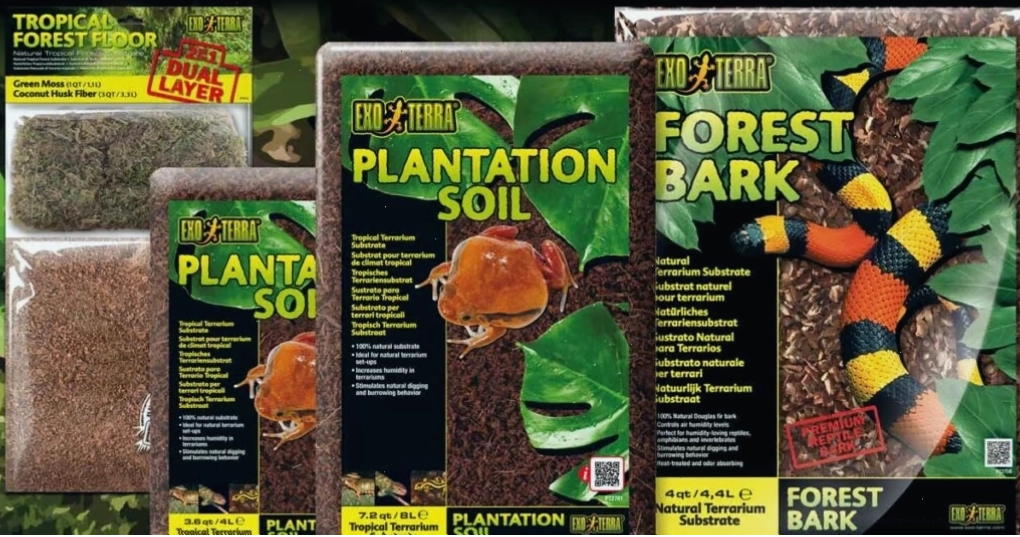
Implementing a reliable clean up crew for waste management
No bioactive setup is complete without the clean-up crew. This group typically consists of isopods, springtails, and earthworms. These tiny organisms are the janitors of the terrarium, consuming leftover food, animal waste, and mold. By introducing these detritivores, you ensure that the environment remains healthy and free of harmful fungal outbreaks. This natural waste management system is the secret to a long-lasting, odor-free enclosure.
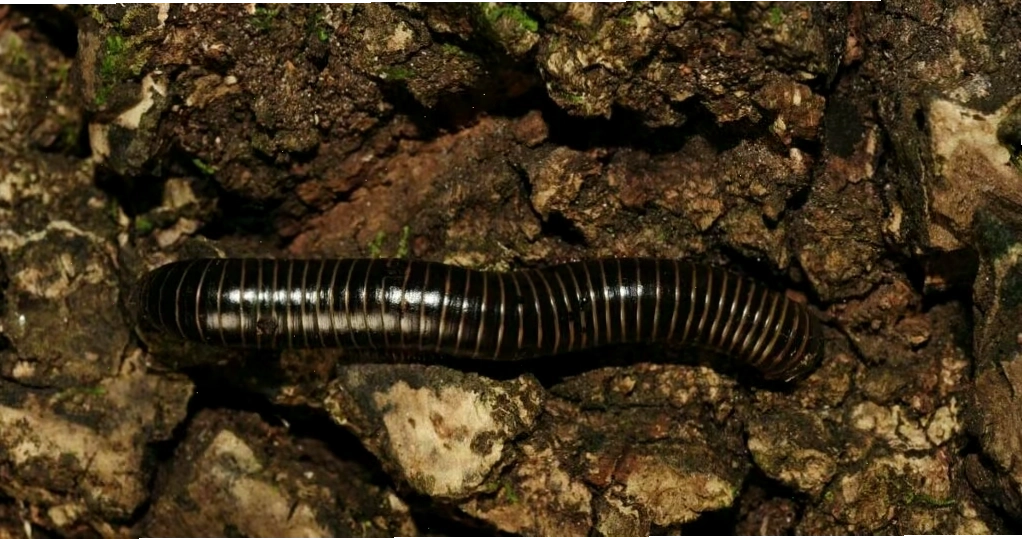
Parallels between terrarium monitoring and general animal welfare
Monitoring the health of a terrarium requires the same observational skills as high-level cat care. For instance, just as owners check domestic cats for ear mites or keep an eye out for tick-borne diseases to maintain cat health, a terrarium keeper must monitor for signs of distress in their amphibians. Developing a keen eye for detail is vital for the well-being of any pet.
Furthermore, observing these miniature worlds can be as enriching as outdoor activities like following bird watching tips. You can explore egret species and practice egret identification in egret habitats to improve your ability to spot subtle environmental changes. Utilizing an avian species guide can help you understand how different animals interact with their surroundings, a skill that translates directly to managing a bioactive terrarium.
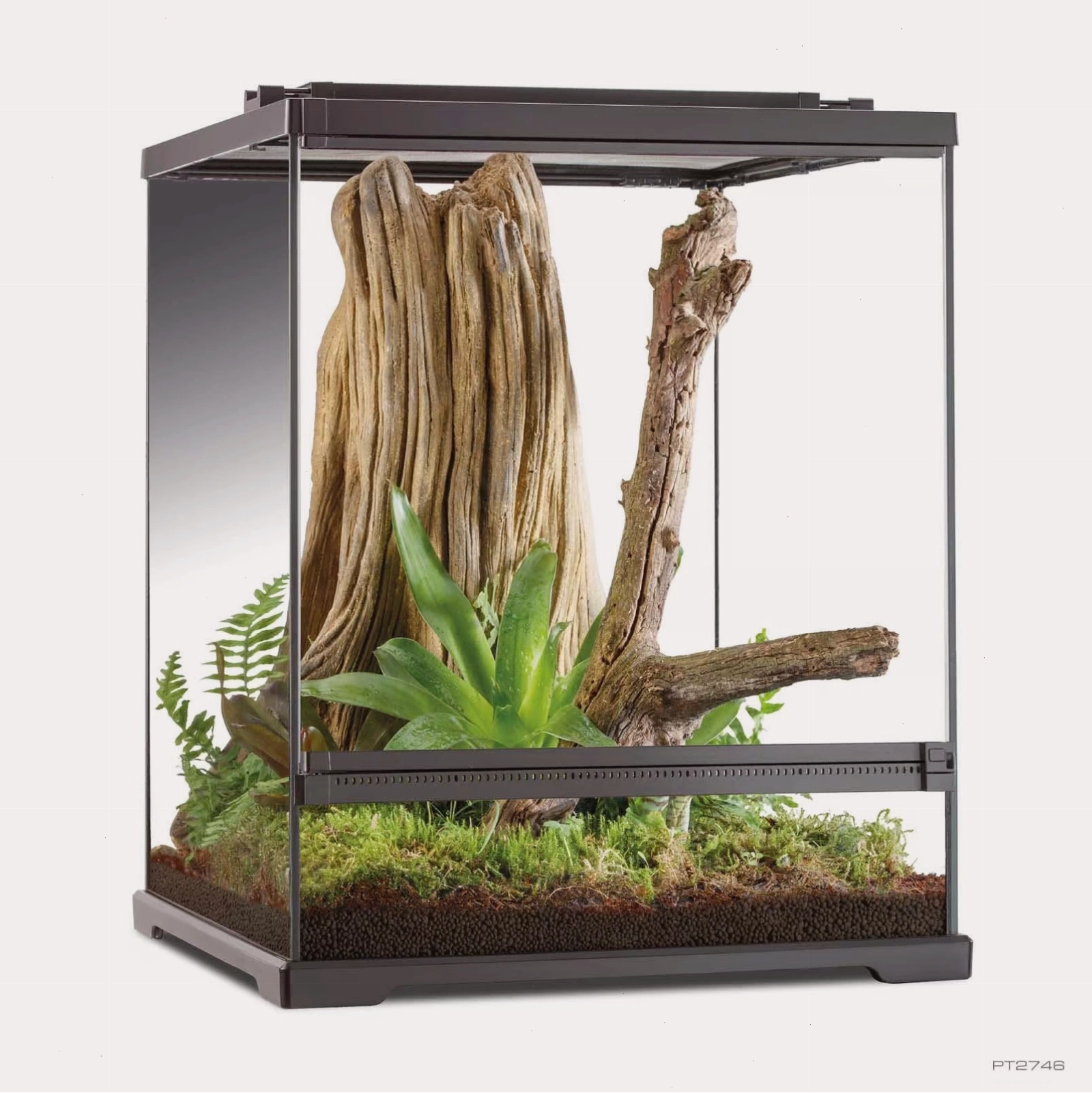
Final recommendations for long term success
Maintaining a bioactive terrarium is an ongoing journey of observation and minor adjustments. Regularly check your thermometer and hygrometer to ensure the climate remains stable for your chosen species. Prune your plants as they grow to prevent them from overtaking the space, and occasionally add leaf litter to feed your clean-up crew. By prioritizing the welfare of your animals and respecting the biological balance of the system, you will enjoy a beautiful, self-sustaining slice of nature in your own home for years to come.